
Mice
Mice look harmless, but they breed fast, chew through everything, and contaminate your home. One mouse today means dozens within weeks.


Small Pests, Big Problems
Mice may be tiny, but they cause outsized damage. They chew through insulation, wiring, drywall, and food packaging—whatever's in their path. A single female can produce up to ten litters a year, with six or more pups each time. That means one mouse in January can turn into a full infestation by spring. They're nocturnal, quiet, and good at staying hidden until the problem is out of hand.
Beyond the structural damage, mice pose real health risks. Their droppings and urine carry bacteria like salmonella, and they can trigger allergies and asthma—especially in children. They contaminate pantries, drawers, and countertops when traveling across them at night. They can squeeze through gaps as small as the diameter of a pencil so keeping them out without professional help is nearly impossible.


How to Tell If You Have Mice
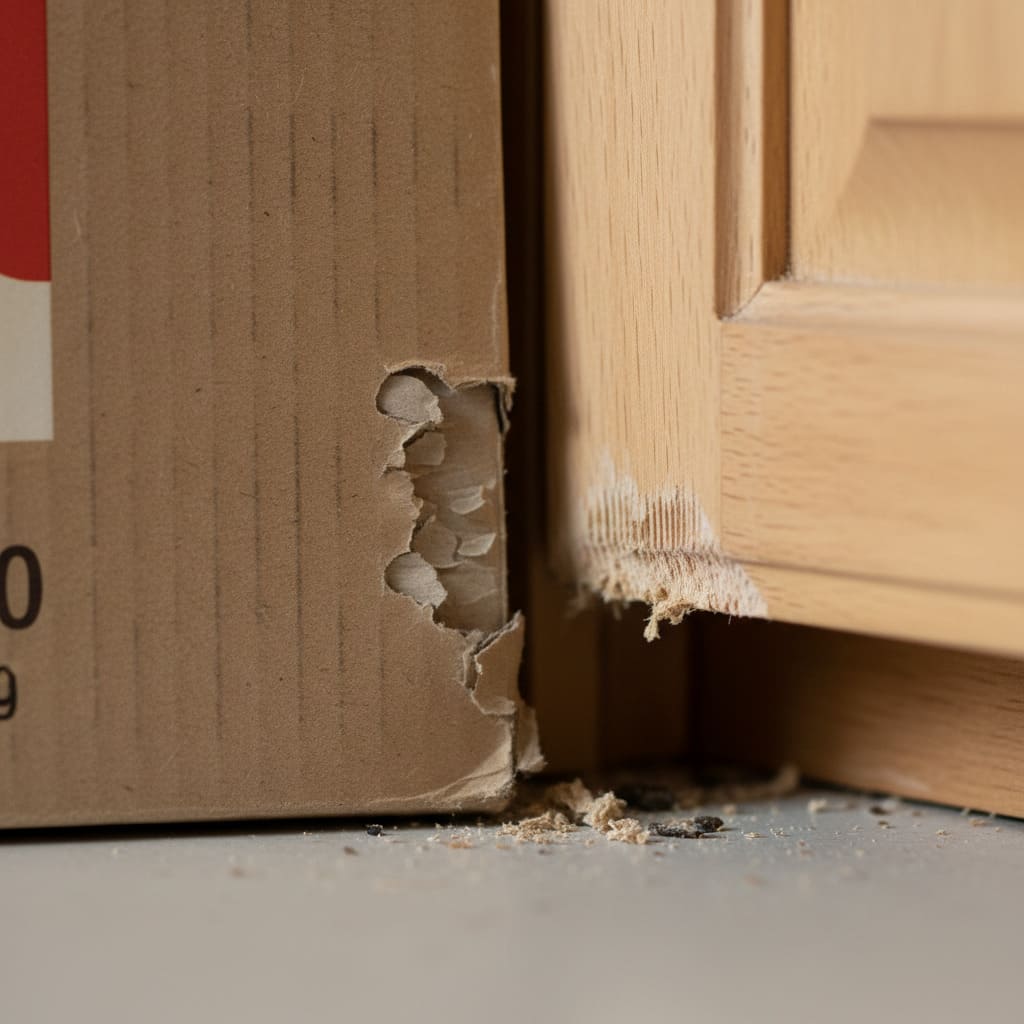
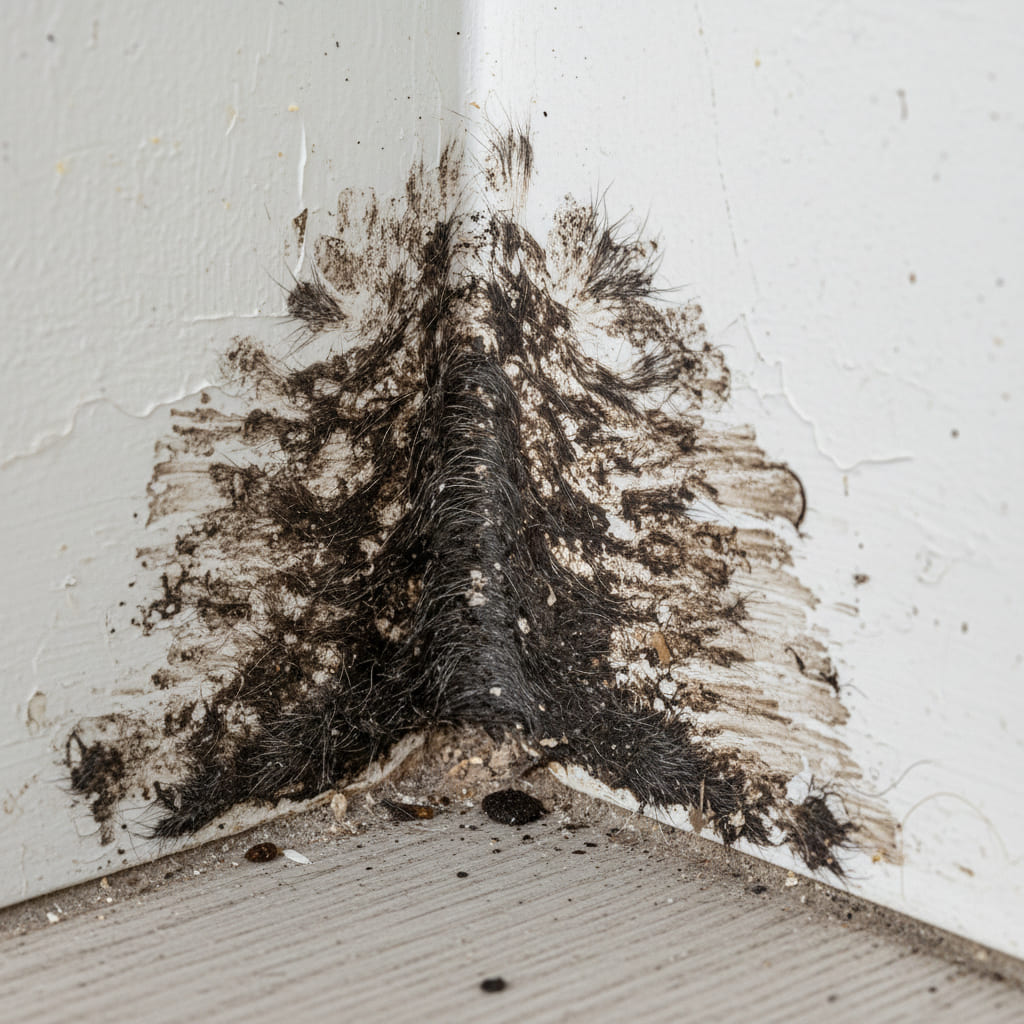
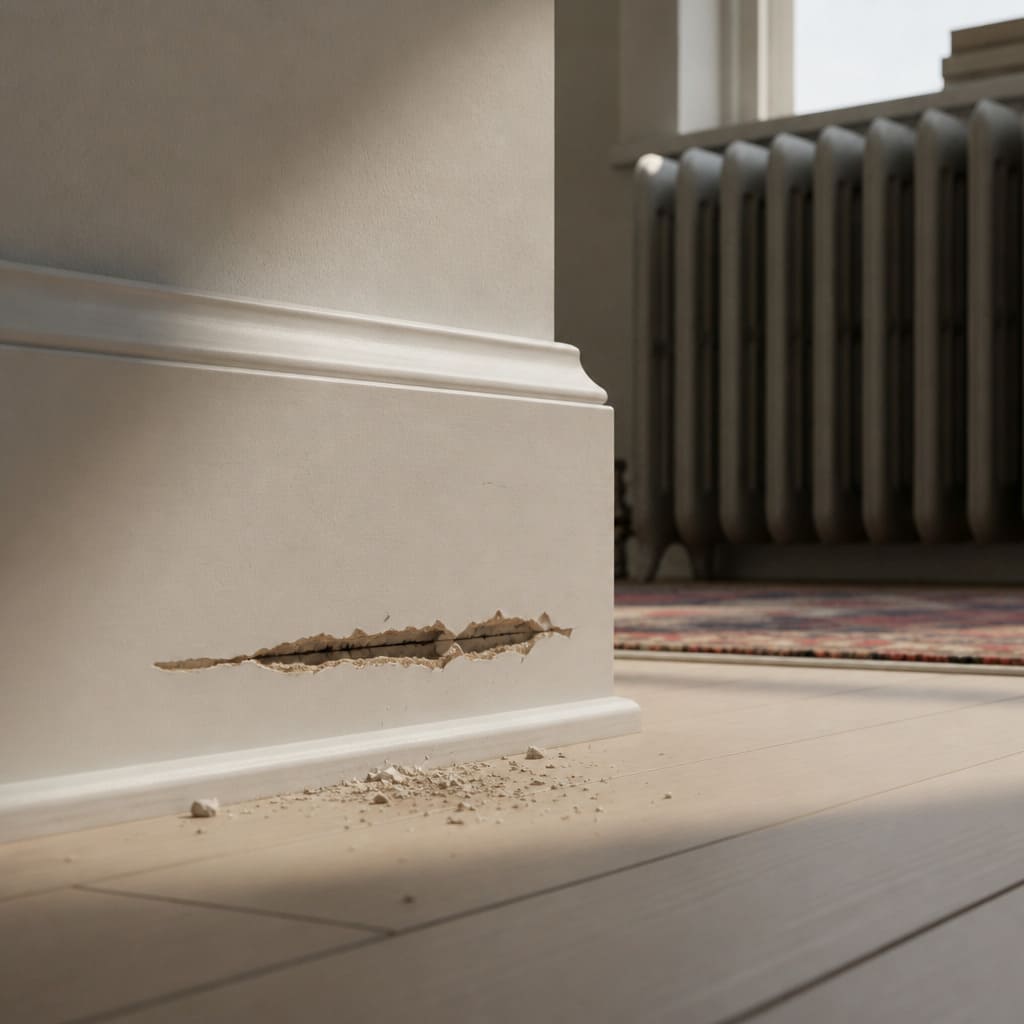
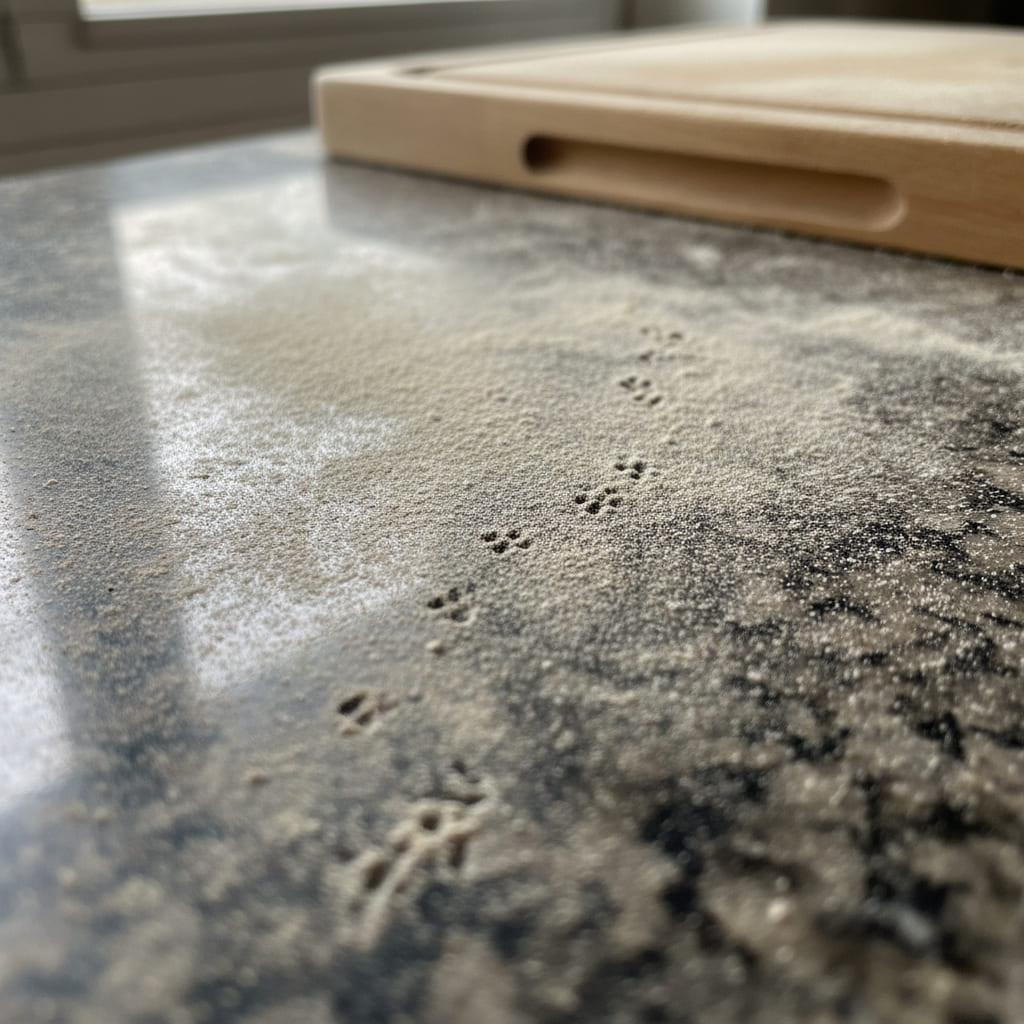
The signs are subtle at first. Small, dark droppings near food sources or along walls. Scratching sounds in the ceiling or behind cabinets at night. Gnaw marks on cardboard, plastic bags, or food containers. You might notice a faint, musty odor in enclosed spaces. Shredded paper or fabric tucked into corners means they're nesting. If you're seeing one mouse, assume there are more nearby.

How We Get Rid of Them for Good
We inspect your home to find where they're entering, nesting, and feeding. Then we set up a targeted plan—traps, bait stations, and offer exclusion work to seal entry points. We don't just reduce the population; we cut off access so they can't return. Mice control strategies normally require follow-up visits to make sure the problem has been eliminated.
Recognize the Signs Early On
Mice leave small clues—droppings, gnaw marks, nesting material. These photos can help you spot an infestation before it gets out of hand.


FAQs
Get answers fast: explore our FAQs. Still have questions? Contact us!
Exclusion is the first line of defense. Mice can enter through a hole the size of a pencil eraser. Look for gaps in the concrete and seal them; make sure there are no gaps in seals of exterior doors; keep garage doors closed; have traps placed up against walls where they scurry at night. Our pest control technicians inspect, knowing what to look for and how to recognize entry points so we can attack the problem for you. We also offer exclusion services for determined entry points. Contact us today so these mice don’t gnaw at your nerves.
Yes, they not only make people sick, dogs and cats can become ill from the germs mice spread throughout your house.
Mouse droppings are the size of a piece of rice whereas rat droppings are generally the size of an elongated raisin.

One Call. Done Right. That's Precision.
Found droppings in the pantry? Heard scratching at night? Don't let a small rodent become a big problem. Contact us today to assess and address the problem.